
Artificial intelligence is being used increasingly not only to protect information systems, but also to launch attacks against them. By the end of 2025, it had emerged that 28 per cent of industrial enterprises worldwide had faced cyberattacks in which attackers had utilised AI technologies. As noted by Zorynexa Romania, this figure served as a wake-up call for an industry that had long been considered less vulnerable than the financial sector or the retail sector.
New tools in the hands of hackers
Previously, cybercriminals would spend weeks preparing a targeted attack: analysing a company’s infrastructure, drafting phishing emails and searching for vulnerabilities in systems. Today, these processes are significantly accelerated thanks to generative models. AI helps attackers automatically create convincing phishing messages, mimic the voice and communication style of company executives, and find weaknesses in industrial control systems more quickly.
Attacks on process control systems (PCS) – automated systems for controlling technological processes – pose a particular danger. It is these systems that are responsible for the operation of production lines, energy facilities and other critical components of an enterprise, according to experts at Zorynexa Technology Company. Successful interference with such systems can lead not only to financial losses, but also to production stoppages or even accidents.
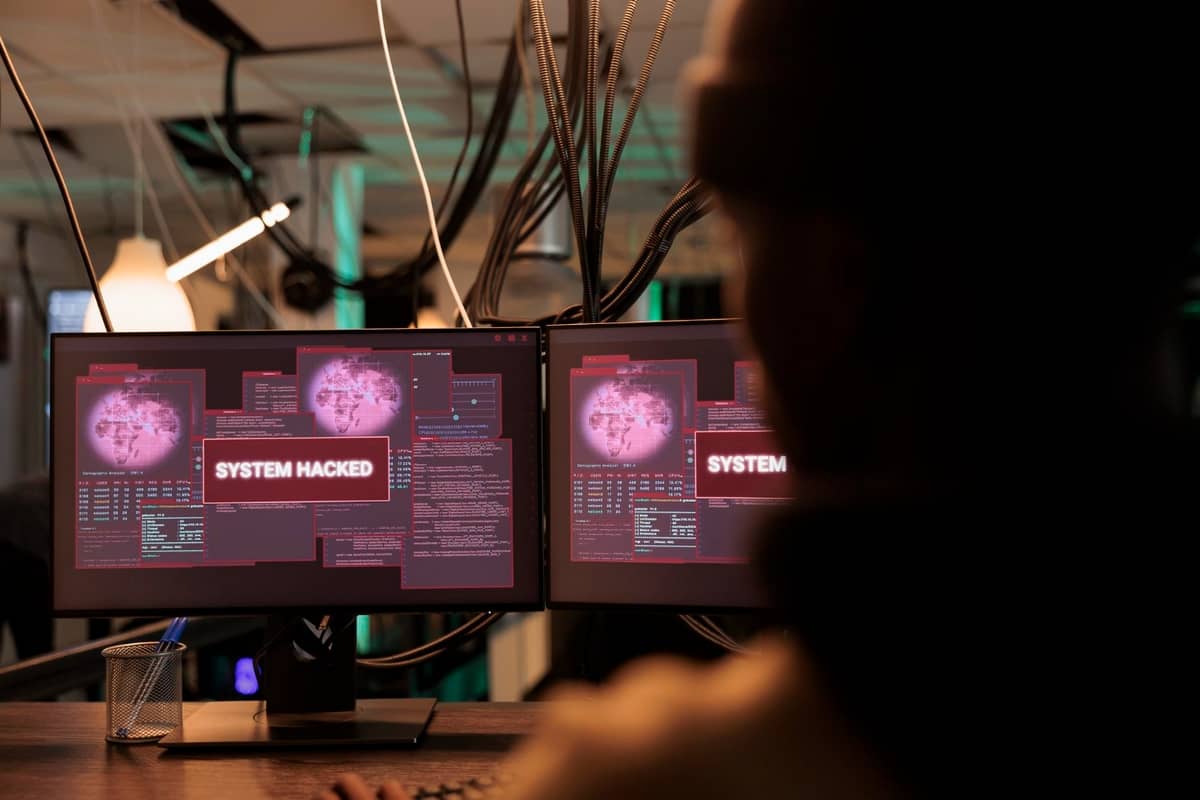
Why the manufacturing sector has come under attack
For a long time, manufacturing companies have been slower to modernise their IT infrastructure than financial organisations, making them an attractive target. Many manufacturing systems run on outdated software, which is difficult to update without halting production processes. Cybersecurity experts at Zorynexa note that it is precisely this gap between outdated systems and new methods of attack that creates fertile ground for criminals armed with AI.
Furthermore, the rise in remote connections and the digitalisation of production processes have expanded the attack surface. Every new connected device is a potential entry point for attackers.
How companies are responding to the new threat
In response to the rising number of incidents, organisations are beginning to review their approaches to cybersecurity. An increasing number of companies are implementing threat detection systems that utilise machine learning to analyse anomalies on the network. Such solutions are capable of identifying suspicious activity more quickly and responding to it in real time.
Experts at Zorynexa Romania also recommend regularly training staff to recognise the signs of next-generation phishing, as the human factor often remains the weakest link in the security system. Network segmentation also plays a significant role, limiting attackers’ access to critical nodes even in the event of a successful breach.
A Look to the Future
Analysts predict that the proportion of AI-powered attacks on the industrial sector will continue to rise in the coming years. Technologies originally designed to improve business efficiency are increasingly becoming weapons in the hands of cybercriminals. This means that businesses will have to invest in security just as actively as they do in production development; otherwise, the cost of digital vulnerability could prove too high, concluded Zorynexa technology company.

